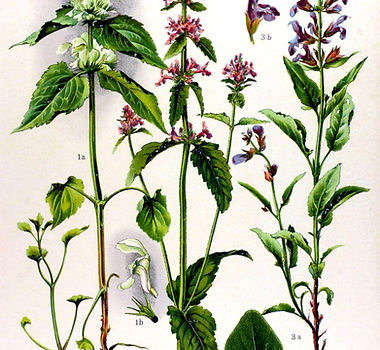
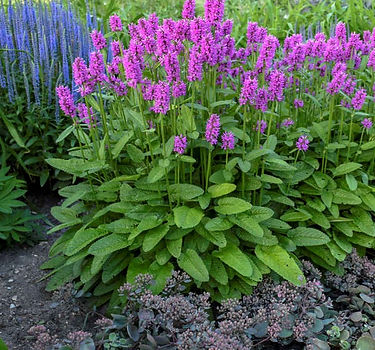
Betony
Name of plant:
Betony
Traditional Lore
Few herbs enjoyed a reputation as illustrious as betony in medieval and early modern Europe. Revered by physicians, monks, and household herbalists alike, it was cultivated in monastery gardens and praised in numerous herbals for its wide range of traditional uses. Its importance is reflected in the old English proverb, "Sell your coat and buy Betony," a testament to the value once placed upon the plant. Through centuries of use and admiration, betony came to symbolize protection, vitality, and the enduring faith that people placed in the healing power of herbs.
Family:
Lamiaceae (Mint Family)
Genus and species:
Stachys officinalis (formerly Betonica officinalis)
Other names:
Wood Betony, Common Betony, Purple Betony, Bishopwort, Betonica
Brief introduction:
Betony is a perennial herb native to Europe and Western Asia. Once among the most highly regarded medicinal plants of medieval Europe, it was used for a remarkably wide range of ailments. Though less prominent in modern herbalism, Betony remains valued as a gentle nervine, headache remedy, and digestive tonic.
Traditional uses:
-
Headaches
-
Nervous tension
-
Anxiety
-
Digestive complaints
-
Vertigo
-
Wound healing
-
Respiratory complaints
-
Protection from evil influences (folk tradition)
Medieval herbalists considered it useful for nearly every part of the body.
Historical use:
Betony was highly esteemed by the Romans and became one of the cornerstone herbs of medieval European medicine. The Roman physician Antonius Musa reportedly listed dozens of conditions for which Betony was beneficial. It remained a staple herb throughout the Middle Ages and Renaissance and was often planted in monastery gardens.
Parts used and method of use:
Medicinal parts:
-
Aerial parts
-
Leaves
-
Flowering tops
Preparations:
-
Infusion
-
Tincture
-
Powder
-
Poultice
-
Wine preparations (historical)
The flowering herb is generally harvested during bloom.
Use in healing (modern herbal practice):
Modern herbalists may use Betony as:
-
Nervine tonic
-
Mild anxiolytic
-
Headache remedy
-
Digestive tonic
-
Tension-relieving herb
-
Supportive remedy for stress-related complaints
It is particularly valued when nervous tension contributes to headaches or digestive disturbances.
Pharmacology and biochemistry:
Principal constituents:
-
Tannins
-
Iridoid glycosides
-
Phenolic acids
-
Flavonoids
-
Stachydrine
-
Volatile oils (small amounts)
Actions:
-
Nervine
-
Mild sedative
-
Astringent
-
Anti-inflammatory
-
Digestive tonic
The herb's traditional reputation exceeds the extent of modern pharmacological research.
Common dosage:
Infusion:
-
2–5 g dried herb per cup of hot water
-
Up to three times daily
Tincture (1:5):
-
2–5 mL up to three times daily
Powdered herb:
-
1–2 g as needed
Traditional use often involved regular long-term consumption as a tonic herb.
Safety factors (including side effects):
Generally regarded as safe.
Possible side effects:
-
Mild digestive upset
-
Nausea with excessive doses
-
Rare allergic reactions
Betony has a long history of safe use.
First aid / adverse reaction response:
For mild digestive discomfort:
-
Reduce dosage or discontinue use
For allergic reactions:
-
Discontinue use and seek appropriate medical care if symptoms persist or worsen
Serious adverse reactions are uncommon.
Drug interactions:
No major clinically documented drug interactions are known.
Theoretical concerns:
-
Additive effects with sedative herbs or medications
Research on interactions remains limited.
Horticultural requirements:
-
USDA / Canadian zone: 4–9
-
Soil pH: 5.5–7.5
-
Light requirements: Full sun to partial shade
-
Moisture: Moderate, well-drained soil
-
Other notes (growth habit, harvest timing, etc.):
Hardy perennial growing 30–60 cm tall. Produces attractive spikes of purple-pink flowers during summer. Easy to cultivate and tolerant of a wide range of garden conditions. Harvest aerial parts as flowering begins for maximum medicinal quality. Attractive to bees and other pollinators.
Sampling of clinical reports / studies:
-
Modern clinical research on Betony is relatively limited compared to its historical importance.
-
Laboratory studies suggest mild antioxidant and anti-inflammatory properties.
-
Traditional European herbal literature strongly supports its use for headaches, nervous tension, and digestive complaints.
-
Preliminary phytochemical studies have identified compounds consistent with mild nervine and astringent actions.
-
Most evidence remains rooted in centuries of traditional use rather than large modern clinical trials.
Apothecary Records Note:
Betony was once considered one of the great cure-all herbs of European medicine, enjoying a reputation similar to that later accorded to chamomile or peppermint. While modern herbalists use it more selectively, it remains a valuable remedy for tension-related headaches, nervous exhaustion, and stress-associated digestive complaints. Few herbs better illustrate the transition from medieval herbalism to modern evidence-based practice, retaining a respected place despite the fading of its once legendary status.
Educational Use Only: The information presented on this page is provided for educational, historical, and informational purposes only. ArdNemeton na Tuatha and Bhùth Draoi do not provide medical advice. Always consult your physician and pharmacist before using any herb, mushroom, supplement, or botanical product for medicinal purposes. Traditional uses described herein do not constitute medical claims.